
How Weather-Related Crashes Are Handled in Indiana: Proving Negligence Despite Bad Conditions
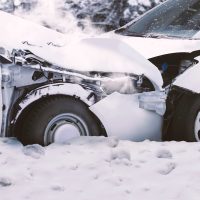
Severe weather has a way of turning an ordinary drive into a dangerous situation in a matter of minutes. Heavy rain, snow-covered roads, black ice, and freezing rain are common hazards on Indiana roadways, particularly during the fall and winter months. When a crash occurs during bad weather, many injured drivers assume no one can be held legally responsible because “the weather caused the accident.” Under Indiana law, however, weather alone does not constitute an excuse for negligent driving. Liability often still rests with the driver who failed to adjust their behavior to hazardous conditions.
For individuals injured in weather-related crashes, understanding how negligence is evaluated is critical. With the guidance of experienced Indianapolis personal injury lawyers, injured motorists can pursue compensation even when rain, snow, or ice played a role in the collision.
Weather Does Not Eliminate the Duty to Drive Safely
Indiana drivers have a legal duty to operate their vehicles with reasonable care under the circumstances. This duty does not disappear when the weather turns bad. In fact, adverse conditions increase a driver’s responsibility to slow down, maintain safe following distances, use headlights appropriately, and remain alert to road hazards.
Indiana law recognizes that safe driving requires adjusting behavior to current conditions. Driving the posted speed limit may be reasonable on a clear, dry day but negligent during a snowstorm or heavy rainfall. When a driver loses control, rear-ends another vehicle, or slides through an intersection during poor weather, the key legal question becomes whether that driver took appropriate precautions given the conditions.
Proving Negligence in Rain-Related Accidents
Rain-related crashes are among the most common weather-related accidents in Indiana. Wet pavement reduces tire traction and increases stopping distances, especially at highway speeds. Hydroplaning, reduced visibility, and sudden braking often contribute to collisions.
In these cases, negligence may be established by showing that a driver was traveling too fast for wet conditions, following too closely, or failing to maintain proper control of their vehicle. Evidence such as skid marks, vehicle damage, traffic camera footage, and witness statements can demonstrate that the at-fault driver failed to exercise reasonable care despite the rain.
Insurance companies frequently argue that rain was unavoidable or that both drivers share responsibility. An experienced Indianapolis personal injury lawyer can counter these arguments by demonstrating how a reasonably cautious driver would have avoided the crash.
Snow and Ice Accidents Require Heightened Caution
Snow and ice present some of the most dangerous driving conditions in Indiana. Black ice is especially hazardous because it is often invisible, giving drivers little warning before losing control. While drivers are not expected to foresee every icy patch, they are expected to use heightened caution when weather forecasts, temperatures, and visible road conditions indicate a risk of ice.
Negligence in snow and ice accidents often involves excessive speed, aggressive braking, failure to clear snow or ice from a vehicle, or improper lane changes. Drivers who lose control while navigating known hazardous conditions may still be held liable if their actions were unreasonable given the circumstances.
Additionally, commercial drivers and companies may face heightened scrutiny for failing to train drivers properly, maintain safe vehicles, or delay travel during dangerous weather conditions.
Comparative Fault in Weather-Related Crashes
Indiana follows a modified comparative fault system. This means that fault can be shared between multiple parties, including the injured driver. If an injured person is found to be 50 percent or less at fault, they may still recover compensation, though their damages will be reduced by their percentage of fault. If they are found to be more than 50 percent responsible, recovery may be barred.
In weather-related crashes, insurers often attempt to shift blame by arguing that the injured driver should have avoided travel altogether or driven more cautiously. A thorough investigation is critical to prevent unfair fault assessments that could reduce or eliminate compensation.
Evidence That Strengthens Weather-Related Claims
Proving negligence despite bad weather often depends on the quality of evidence. Police reports, photographs of road conditions, weather data, vehicle damage, and expert analysis all play an important role. Accident reconstruction specialists may be used to show vehicle speeds, braking patterns, and driver behavior leading up to the collision.
Medical records are equally important, as they establish the extent of injuries and connect them directly to the crash. Prompt medical treatment not only protects your health but also strengthens your personal injury claim.
Why Legal Representation Matters
Weather-related accident claims are rarely straightforward. Insurance companies frequently argue that crashes were unavoidable acts of nature rather than the result of negligence. Without strong legal advocacy, injured victims may be pressured into accepting reduced settlements or having their claims denied altogether.
Working with experienced Indianapolis personal injury lawyers ensures that your case is properly investigated, fault is fairly evaluated, and your losses are fully documented. Legal representation can make the difference between a denied claim and meaningful financial recovery.
Contact Lee Cossell & Feagley, LLP
If you were injured in a car accident caused by rain, snow, or icy road conditions, you may still have a valid personal injury claim under Indiana law. The attorneys at Lee Cossell & Feagley, LLP understand how to prove negligence, even when weather conditions play a role. Our Indianapolis personal injury lawyers are committed to protecting your rights and pursuing the compensation you deserve. Contact Lee Cossell & Feagley, LLP today to schedule a consultation and discuss your legal options.