

Indiana’s Wrongful Death Statute: Seeking Justice After Losing a Loved One
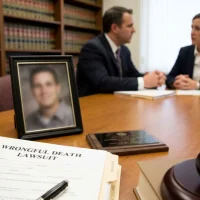
Losing a loved one because of someone else’s carelessness leaves a family facing more than grief. There may be hospital bills, funeral expenses, insurance calls, missed income, and questions no one seems ready to answer. While the family is trying to process what happened, they may also be asked to make decisions about paperwork, claims, and legal deadlines.
Indiana law gives families a way to seek accountability after a preventable death. A wrongful death claim cannot bring back the person who was lost, and no amount of compensation can make the loss feel fair. The purpose of the claim is to recognize that the death caused real harm and to help the family recover financial support for the losses the law allows. Speaking with an experienced Indianapolis wrongful death attorney can help clarify who may bring the claim, what compensation may be available, and how the process works during a painful and often confusing time.
What a Wrongful Death Claim Means in Indiana
A wrongful death claim may be available when a person dies because of another person’s negligence, recklessness, or wrongful act. If the injured person could have brought a personal injury claim had they survived, Indiana law may allow a wrongful death claim after the injury becomes fatal.
These claims can arise from many kinds of events. A fatal car crash, truck accident, motorcycle accident, workplace incident, fall, defective product, nursing home injury, or violent act may lead to a wrongful death case when another person or business caused the death.
The claim looks at both sides of the loss. First, it looks at what caused the death and who may be responsible. Then it looks at how the death affected the family. A spouse may have lost companionship, income, and help raising children. Children may have lost guidance, care, and the steady presence of a parent. Parents may be grieving a child whose future was taken. The law cannot measure every part of that loss, but it does provide a path for certain damages.
Who Can File a Wrongful Death Claim
One of the most common points of confusion is who actually files the case. In many Indiana wrongful death claims, the lawsuit is brought by the personal representative of the deceased person’s estate. The personal representative may be named in a will or appointed through the probate court.
That does not mean the personal representative is the only person affected by the claim. The recovery may be for the benefit of surviving family members or the estate, depending on the circumstances. The details can vary based on whether the person who died left a spouse, dependent children, dependent next of kin, parents, or adult children.
This part of the process can feel frustrating for grieving families. The person who is suffering the most may not automatically be the person with legal authority to file the claim. Estate questions may need to be addressed before the wrongful death case can move forward. Getting that step right matters because the claim must be brought by the proper party and within the proper deadline.
When the Deceased Person Leaves a Spouse or Dependents
When a person leaves behind a spouse, dependent children, or dependent next of kin, the wrongful death claim may seek compensation for losses tied to both financial support and family relationships.
A surviving spouse may have depended on the deceased person’s income, help at home, emotional support, and companionship. Children may lose the care, instruction, guidance, and stability that a parent provides every day. A dependent family member may lose the person who helped with transportation, bills, medical appointments, household needs, or daily support.
Compensation may include final medical expenses, funeral and burial costs, lost earnings, and certain losses suffered by surviving family members. The value of the claim depends on the facts of the case, the family relationships involved, the deceased person’s role in the household, and the evidence showing how the loss changed the family’s future.
Wrongful Death Claims Involving Children
The death of a child is handled differently under Indiana law. These claims are uniquely painful because the loss cannot be understood through income records or work history. Parents are grieving the loss of love, companionship, affection, and the future they expected to share with their child.
Indiana law may allow parents or a guardian to bring a claim after the wrongful death of a child. Compensation may include medical expenses, funeral and burial expenses, loss of the child’s services, loss of love and companionship, and certain counseling-related expenses.
Families facing this kind of loss should not have to sort through the legal process alone. An Indianapolis wrongful death attorney can help determine which part of Indiana law applies, who has authority to act, and what evidence may be needed to show the full impact of the loss.
Claims Involving Unmarried Adults Without Dependents
Wrongful death claims involving an unmarried adult without dependents can be especially confusing. Families sometimes assume no claim exists because the person who died was not married and did not have minor children. That assumption may be wrong.
Indiana law has separate rules for certain adult wrongful death claims. Parents and adult children may still experience a profound loss when a loved one dies because of negligence. The available damages may differ from other wrongful death claims, and legal limits may apply, but the family may still have a path forward.
A careful review can help determine whether a claim exists and what damages may be available. That review is especially important when family members are receiving mixed information from insurance companies or are unsure whether the estate needs to be opened before any legal action can begin.
How Compensation Is Evaluated
The compensation process begins with understanding what happened and how the death affected the family. Accident reports, medical records, witness statements, photographs, video footage, expert analysis, employment records, tax information, family testimony, and insurance documents may all help explain the claim.
Some damages are tied to bills and financial records. Final medical expenses, funeral costs, burial expenses, lost income, and the value of household services can often be documented. Other losses are more personal. Companionship, guidance, care, support, and the loss of a close family relationship cannot be captured by receipts, but they may still be part of the claim when Indiana law allows recovery.
Insurance companies may focus on the numbers that are easiest to calculate. Families understand that the loss is much larger. A strong wrongful death claim should show both the financial harm and the human reality of what was taken.
Why Timing Matters After a Fatal Accident
Wrongful death claims are time-sensitive. Indiana law sets filing deadlines, and important evidence can disappear long before a family feels ready to think about a legal case. Vehicles may be repaired or destroyed. Surveillance footage may be erased. Accident scenes may change. Witness memories may fade. Medical and employment records can take time to gather.
Families should not feel rushed while they are grieving, but they should understand that delay can make the case harder to prove. Early legal guidance can help protect evidence, identify responsible parties, communicate with insurance companies, and make sure the proper person has the authority to bring the claim.
Contact Lee Cossell & Feagley
If your family lost a loved one because of another person’s negligence or wrongful conduct, you may be facing grief, financial pressure, and unanswered questions all at once. A wrongful death claim cannot remove that pain, but it can help your family seek accountability and financial support after a preventable death.
Lee Cossell & Feagley helps families in Indianapolis and throughout Indiana pursue justice after fatal accidents. Our firm can explain who may file the claim, what compensation may be available, and how Indiana’s wrongful death laws apply to your family’s situation. Contact Lee Cossell & Feagley today to speak with a trusted Indianapolis wrongful death attorney to discuss your legal options and learn how we can support you during this difficult time.

