

Dangerous Prescription Drugs and the Manufacturer’s Duty to Warn
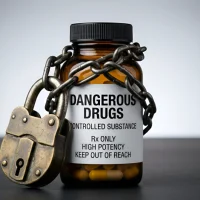
A prescription can offer relief from pain, control a chronic illness, or prevent a serious condition from becoming worse. Most people take the medication their doctor recommends with the reasonable belief that the known dangers have been studied and clearly disclosed. A severe reaction can therefore feel especially devastating when the risk was missing from the warning, buried in technical language, or described in a way that understated the potential harm.
Treatment for a drug-related injury may involve hospitalization, additional medication, surgery, or long-term monitoring. Working with an experienced Indianapolis medical malpractice lawyer can help determine what the manufacturer knew about the danger and whether the warning gave doctors and patients a fair opportunity to avoid it.
A Known Side Effect Does Not Always Defeat a Claim
Every prescription medication carries potential side effects. The presence of risk does not automatically make a drug defective, and a serious reaction alone does not establish that the manufacturer did something wrong. A failure-to-warn claim focuses on the information provided about the danger rather than simply the fact that the injury occurred.
The warning must communicate enough information for a prescribing physician to weigh the drug’s benefits against its risks. A label that mentions liver problems in passing may still be inadequate if the manufacturer knew the medication could cause rapid liver failure. A warning about dizziness might not fairly describe a risk of fainting, falling, or losing consciousness. The difference lies in the seriousness, frequency, and circumstances of the danger disclosed.
Indiana law recognizes that a product can be defective when the seller fails to provide adequate warnings or reasonably complete instructions about a danger the seller knew or should have known about. The warning must also reach the people who could reasonably be expected to use the product.
Drug Labels Must Reflect Meaningful Safety Information
Prescription drug labeling is the primary way medication risks are communicated to healthcare professionals, patients, and caregivers. The drug company proposes the labeling, and the FDA reviews it as part of the approval process. Prescribing information, medication guides, instructions for use, and packaging can each carry safety information that affects how the drug is selected and taken.
A warning loses much of its value when the language is too vague to guide a treatment decision. Doctors need to know the type of injury associated with the drug, how severe it can become, which patients face greater danger, and what symptoms require immediate attention. Information about dosage limits, medication interactions, contraindications, and recommended testing can also determine whether the drug is used safely.
The manufacturer cannot treat the warning as a formality placed deep inside a lengthy package insert. Safety information should match the seriousness of the danger and provide practical direction. A risk that could lead to organ failure, a blood clot, a heart attack, a stroke, a birth injury, or death requires language that reflects the possible consequences.
Safety Responsibilities Continue After Approval
A medication’s safety profile does not stop developing once it reaches pharmacy shelves. Clinical trials involve limited groups of participants and may not reveal every risk associated with long-term use, other health conditions, or interactions with commonly prescribed drugs.
Reports from physicians, patients, hospitals, and researchers can reveal patterns after the drug enters wider use. A manufacturer might receive accounts of the same unusual injury, observe a higher rate of complications among a certain group, or learn that the danger appears after a specific dosage or length of treatment. Those reports can change what the company understands about the medication.
FDA-approved labeling can be updated as new safety information develops. The FDA also maintains information about safety-related labeling changes involving warnings, precautions, contraindications, and adverse reactions. A failure-to-warn claim may examine how the manufacturer responded after evidence of a serious risk began to accumulate.
Incomplete Warnings Can Affect Prescribing Decisions
Doctors rely on accurate safety information when choosing among medications, setting a dosage, ordering follow-up tests, and explaining symptoms that require prompt care. An undisclosed danger deprives the prescribing physician of information that could have changed the treatment plan.
A doctor who knew about the full risk might have selected another medication, reduced the dosage, or avoided the drug for someone with a particular medical history. Closer bloodwork or other monitoring could have revealed the complication before the damage became permanent. The warning might also have led the doctor to explain specific symptoms that required stopping the medication or seeking emergency treatment.
The question is not limited to what appeared somewhere in the labeling. The wording, placement, and detail of the warning can determine whether it meaningfully communicated the danger. A technically accurate statement may offer little protection when it minimizes the severity of the injury or omits the conditions under which the risk becomes greatest.
The Manufacturer’s Knowledge Can Shape the Claim
A drug label shows what the manufacturer disclosed, but it does not always reveal everything the company knew. Internal studies, clinical trial data, adverse-event reports, communications with regulators, and earlier versions of the labeling can provide a fuller history of the risk.
The timing of that information matters. Reports received years after an injury cannot establish what the company knew before the prescription was written. Evidence that the same complication appeared repeatedly during testing or after the drug entered the market can present a different picture, especially if the warning remained unchanged.
Promotional materials can also become relevant when they emphasize a drug’s benefits while downplaying a serious danger. Physicians and patients need balanced information rather than reassurance that leaves out facts capable of changing the treatment decision. A manufacturer should not use marketing language to soften a risk described more carefully elsewhere.
Medical Evidence Must Link the Drug to the Injury
A warning problem is only one part of the claim. The medical evidence must also connect the medication to the illness, complication, or worsening condition.
Drug injuries can be difficult to recognize because symptoms may resemble an existing health problem. Fatigue could be attributed to the condition being treated rather than liver damage caused by the medication. Chest pain might appear weeks after a prescription begins. A birth defect may not be discovered until months after the drug was taken during pregnancy.
Prescription records, dosage history, laboratory results, diagnostic imaging, hospital records, and the timing of symptoms can help establish the connection. Medical specialists may also examine other possible causes and explain why the drug provides the strongest explanation for the injury. A clear timeline becomes particularly important when several medications were taken together or the harm developed gradually.
A Drug Injury Can Continue Long After Treatment Stops
Stopping a dangerous medication does not always reverse the damage. Kidney injuries can require ongoing treatment. A stroke or heart attack may leave lasting physical limitations. Liver damage could lead to transplant care, while a birth injury may create medical and developmental needs throughout a child’s life.
Lost income can deepen the pressure when symptoms prevent someone from returning to work. Family members may need to help with transportation, appointments, childcare, or everyday activities. The medication that was supposed to protect a person’s health can instead change the household’s routines and financial stability.
Compensation in a dangerous prescription drug claim may reflect medical expenses, future care, lost earnings, pain, and permanent limitations. Guidance from a knowledgeable Indianapolis medical malpractice lawyer can help connect the manufacturer’s warning decisions with the medical and financial consequences of the drug injury.
Contact Lee Cossell & Feagley
If a prescription medication caused a severe reaction, organ damage, a cardiovascular injury, a birth defect, or another serious health problem, the label may not tell the full story of what the manufacturer knew.
Lee Cossell & Feagley, LLP represents people and families harmed by dangerous prescription drugs and other unsafe pharmaceutical products. Contact Lee Cossell & Feagley to speak with a trusted Indianapolis medical malpractice lawyer and learn how we can help hold the pharmaceutical company accountable for the injuries caused by a dangerous medication.

