

Emergency Room Overcrowding and Delayed Treatment of Serious Medical Conditions in Indiana
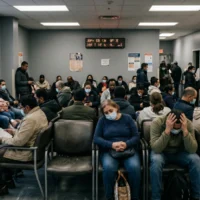
A trip to the emergency room usually means something has gone wrong that cannot wait for a regular doctor’s appointment. A person experiencing chest pain, sudden weakness, or difficulty breathing expects hospital staff to recognize the urgency of those symptoms. When the department is overcrowded, hours may pass before a physician evaluates the patient or necessary testing begins. During that time, a treatable medical emergency may progress into a life-threatening condition.
Emergency room overcrowding alone does not establish medical malpractice in Indiana. A claim involving delayed emergency care depends on whether hospital personnel failed to meet the applicable standard of care and whether that failure caused additional injury. Early guidance from an experienced Indianapolis hospital malpractice lawyer can help identify potential failures in emergency treatment and determine whether a prolonged delay contributed to a patient’s injuries.
Serious Symptoms May Be Overlooked During Emergency Room Triage
Emergency departments use triage procedures to determine which patients require immediate attention. Someone arriving with chest pain, breathing difficulties, sudden confusion, or other signs of a serious medical condition may need urgent evaluation, even when numerous patients are waiting for care.
A patient reporting weakness on one side of the body or difficulty speaking may be experiencing a stroke. If hospital personnel fail to recognize the warning signs and assign an inappropriate priority, the patient could remain in the waiting area instead of receiving the immediate medical attention the condition requires.
A patient who initially appears stable may also develop more serious symptoms while waiting. Increasing confusion, difficulty breathing, or declining responsiveness calls for renewed medical attention, especially when hospital staff have been informed that the patient’s condition is getting worse. Failing to reassess a deteriorating patient can allow a medical emergency to progress without intervention.
Delayed Diagnostic Testing Can Postpone Treatment
Blood tests, CT scans, electrocardiograms, and other diagnostic examinations help emergency physicians identify serious medical conditions. Testing delays can leave patients waiting for a diagnosis even after symptoms suggest that immediate treatment may be necessary.
Someone experiencing a possible stroke may require urgent brain imaging to determine the appropriate treatment. A patient with symptoms of a heart attack may need an electrocardiogram and additional cardiac testing. When necessary examinations are postponed, physicians may lose valuable time to identify the condition and begin treatment.
A delay in testing becomes more concerning when the patient’s symptoms called for an urgent diagnosis and the results could have changed the course of treatment. Medical experts may need to determine whether testing should have occurred sooner and whether the delay contributed to the patient’s injuries. The length of the wait alone cannot answer either question.
Long Waits for a Physician Can Allow Conditions to Worsen
Nurses and other emergency department personnel provide essential assessments, but patients experiencing serious symptoms may require prompt evaluation by a physician or another qualified treating clinician. An extended wait can delay medical decisions, necessary treatment orders, and referrals for specialized care.
Severe abdominal pain illustrates how a seemingly manageable condition can deteriorate. A patient may arrive with symptoms of appendicitis, intestinal obstruction, or internal bleeding without showing obvious signs of immediate danger. As the condition progresses, the patient may develop complications that require more extensive treatment than would have been necessary earlier.
Hospital records may show that a patient waited hours after reporting serious symptoms before receiving a physician evaluation. Comparing arrival times, nursing assessments, examination notes, and treatment orders can reveal how the patient’s condition changed during the wait and whether appropriate medical attention was provided.
Treatment Delays Can Lead to Permanent Injuries
Receiving a diagnosis does not always mean treatment begins immediately. Patients may continue waiting for medications, specialist consultations, surgical procedures, or transfer to another department. Serious complications can develop when an identified medical emergency is left untreated.
Sepsis is one condition where prompt treatment can be critical. A severe infection may progress to organ dysfunction or septic shock, requiring urgent antibiotics, fluids, and other medical interventions. Delays after symptoms have been recognized can increase the danger of permanent organ damage or death.
Heart attacks, strokes, and internal bleeding present similar concerns about time-sensitive treatment. A patient who survives an emergency may face additional neurological damage, reduced cardiac function, or other lasting complications. A medical malpractice claim must show that negligent delay contributed to the injury, rather than attributing every adverse outcome to the time spent in the emergency room.
A Crowded Emergency Room Does Not Automatically Mean Malpractice
Hospitals may experience unusually high patient volumes, limited examination space, and shortages of available personnel. Long waiting periods are frustrating and sometimes frightening, but overcrowding alone does not prove that a hospital or medical provider was negligent.
Indiana medical malpractice claims focus on the care provided to the individual patient. A hospital may have followed appropriate medical practices despite a lengthy wait. A different patient’s records may reveal that staff overlooked dangerous symptoms, failed to respond to a worsening condition, or unreasonably delayed necessary treatment. The distinction depends on the medical circumstances and whether a departure from accepted standards caused harm.
Federal law also imposes certain emergency care obligations. Under the Emergency Medical Treatment and Labor Act (EMTALA), covered hospitals must provide an appropriate medical screening examination and, when an emergency medical condition is identified, offer stabilizing treatment or an appropriate transfer. An alleged EMTALA violation is a separate legal issue from proving medical malpractice under Indiana law.
Connecting Delayed Emergency Care to a Patient’s Injuries
A patient who arrives at the emergency room with a serious medical condition may already face substantial risks. Even appropriate treatment cannot prevent every complication. Determining whether negligent delay caused additional injury requires examining what happened between the patient’s arrival and the eventual treatment.
A stroke patient may have suffered some neurological injury before reaching the hospital. Medical records and expert opinions may nevertheless show that an unreasonable delay in assessment, imaging, or treatment contributed to further brain damage. The timing of symptoms, examination findings, test results, and available interventions can help distinguish the effects of the original condition from the harm associated with delayed care.
Families dealing with unexpected disabilities, prolonged hospitalization, or the death of a loved one may struggle to determine why emergency treatment took so long. When a patient’s condition deteriorated during an extended emergency room wait, an Indianapolis hospital malpractice lawyer can examine the treatment timeline and medical findings to determine whether earlier intervention could have prevented additional injury.
Contact Lee Cossell & Feagley
Delayed emergency medical treatment can leave patients and families facing permanent disabilities, substantial medical expenses, lost income, and uncertainty about the future. When serious symptoms were overlooked or necessary treatment was unreasonably delayed, those affected deserve answers about the medical care provided and whether the resulting harm could have been prevented.
Lee Cossell & Feagley, LLP represents patients and families in Indianapolis and throughout Indiana in claims involving negligent hospital care. If you or a loved one suffered serious harm following delayed emergency room treatment, contact our firm for a free consultation with an experienced Indianapolis hospital malpractice lawyer to discuss your legal options and learn how we can help pursue compensation for injuries caused by medical negligence.

